
Notes from Tuition Sessions
Photography Notes
General & Practical
Aspects of photography which are worthy of consideration and a working checklist to help achieve what you are seeking when out with a camera.
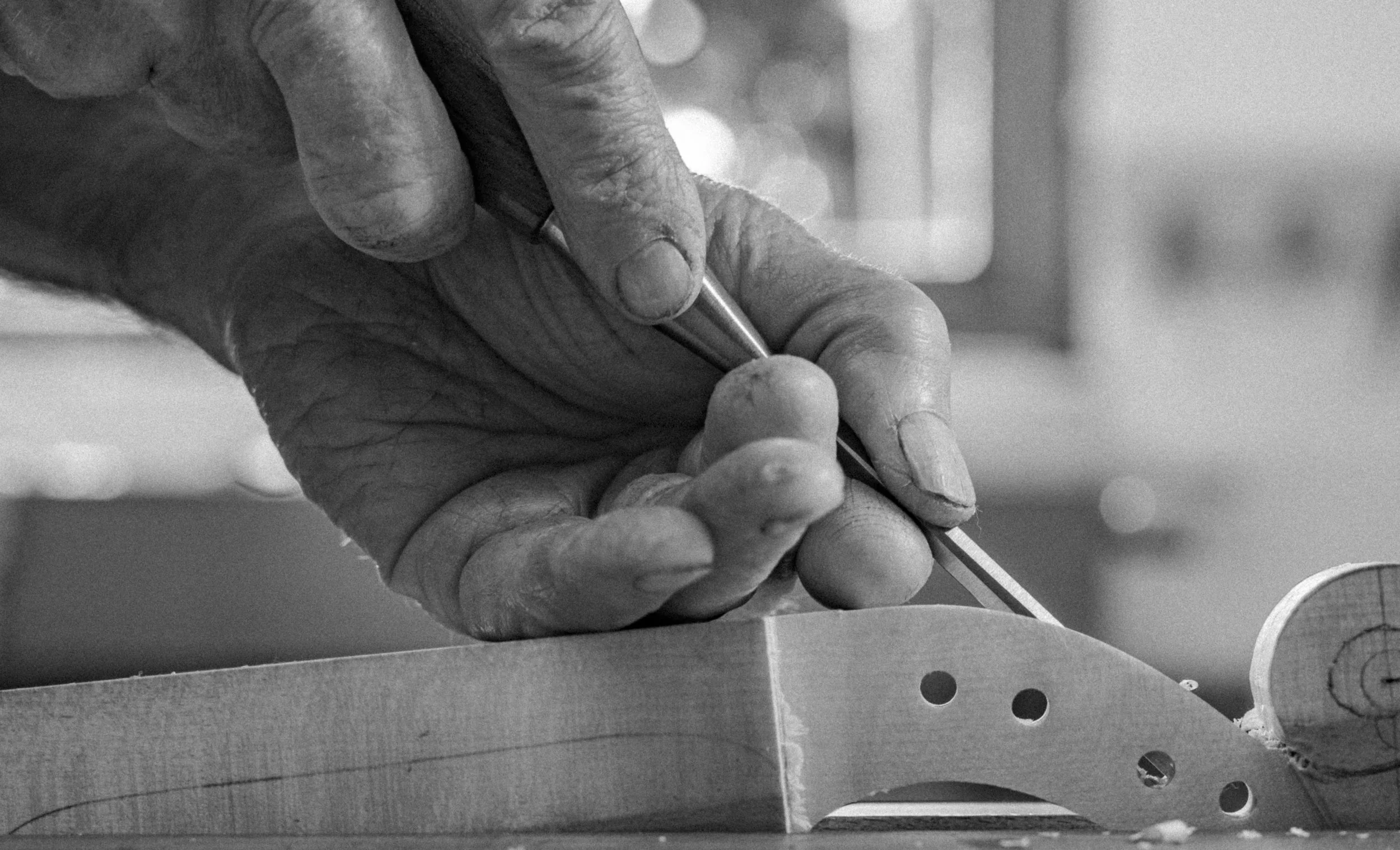
Cutting out the Peg Box
Work within the area of your main photographic interests - wildlife, landscapes, urban scapes, street images, black and white, horticulture, still life, portraiture, documentary or whatever motivates you and photography.
Study other photographers of the genre that inspires you.
When going out on a specific photography trip or adventure, write down/ sketch out a framework of the main images you would like to capture (subjects, individual species or just generic subject elements). Keep a notebook for the coffee breaks.
Take time to assess the locality, the surroundings and general environment, with wildlife watch quietly see what is moving within the vision/image capture range. Beyond this in urban or populated locations, movement of people/interaction/conversation.
Assess the light conditions/time of day/year/season. That will have a significant impact on landscape images, overall lighting, how animals and birds behave. Assess urban architecture and light/shadows/reflections.
Look at the light angles, direction, intensity - convention suggests that you should not generally shoot against the light. You can but it must be done creatively - and you need to be in complete control of the trinity - ISO/Shutter/Aperture.
Position as far as possible, to achieve the most creative lighting & composition for an image and experiment around this once a few images have been taken.
Light has magical qualities, shadows can be used to enhance an isolated image, adding space, depth, context, layers and perspective.
Think about image composition, the subject does not need to be dead centre, look at what else could be included or excluded from the frame.
Less is more - an often referred to aspect, but true.
In assessing composition for a potential image consider - framing position, context, juxtaposition, space, movement, scale, layers and look to consider if an image within an image exists.
Avoid standing eye level shooting all the time, think about higher or lower shooting positions.
__________________
Nigel Housden September 2026
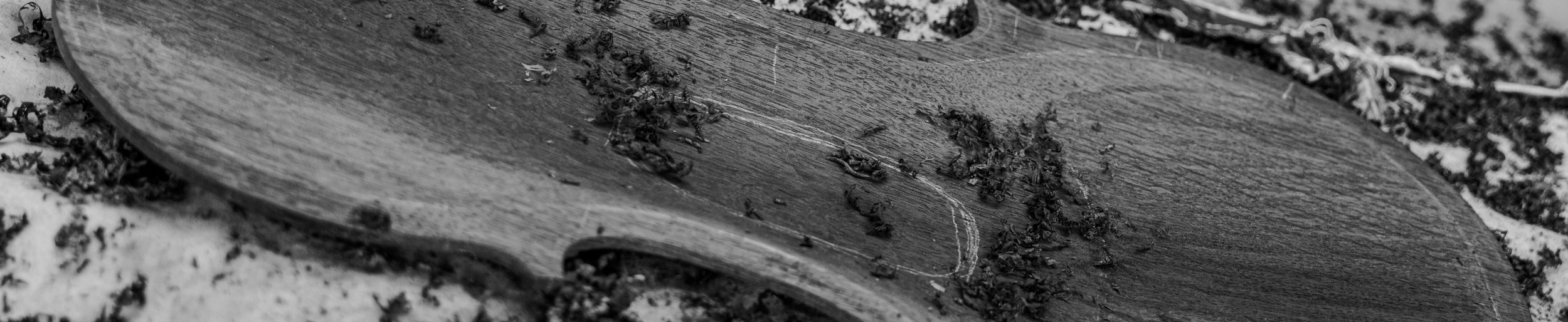
Viola front - 5,000 year old bog oak.